Digital Censorship & Access Control
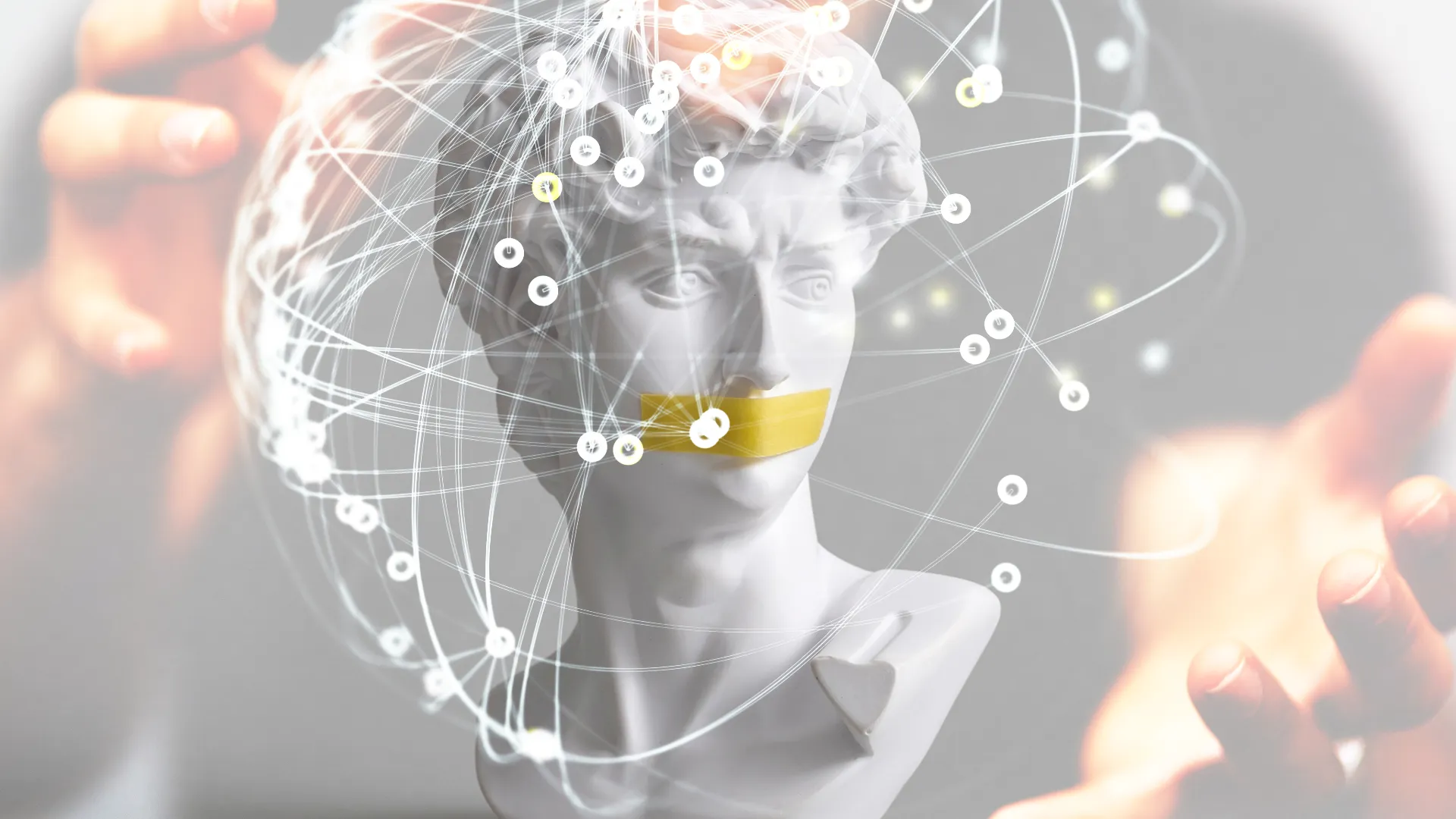
Censorship shapes what can be written, published, and read.
In digital environments, it often operates by controlling access — limiting the platforms, audiences, and channels through which writing can circulate.
In some countries, this is direct and structural. Writers may be cut off entirely from international platforms, while domestic media — including newspapers, magazines, and websites — are tightly controlled or restricted from publishing their work. Filtering systems can remove writing from across the internet or prevent it from being accessed locally, even when it is published elsewhere.
This creates an environment where visibility is managed at multiple levels: what can be written, where it can appear, and who is able to read it.
Inside controlled environments
In heavily restricted digital systems, access itself becomes the primary mechanism of control.
Global platforms may be blocked or unreliable, forcing writers to rely on local alternatives that are easier to monitor and regulate. Websites, online publications, and independent media outlets can be restricted from hosting or sharing certain kinds of work. Content may be removed, filtered, or made inaccessible through technical controls that are often invisible to the user.
Even when writing is published outside the country, filtering systems can prevent it from being read domestically. Over time, this isolates writers from their audiences and limits the circulation of ideas.
Beyond borders
Leaving these environments does not always remove these constraints.
In transnational contexts, censorship often becomes less visible but no less effective. Content may be targeted through coordinated reporting campaigns, leading to temporary removal or reduced visibility on major platforms. Publications, editors, and event organisers may be pressured — sometimes directly, sometimes indirectly — to remove material or avoid publishing it altogether.
These efforts are often supported by reputational attacks, fabricated allegations, or organised complaints designed to make content appear risky or inappropriate. In practice, this can prevent work from being published, distributed, or taken seriously.
While these mechanisms differ from direct state censorship, the outcome can be similar: writing becomes harder to publish, harder to access, and easier to suppress.
Impact
Censorship limits not only what is visible, but what is possible.
It shapes decisions about where to publish, how to write, and whether work will reach an audience at all. Over time, it narrows the space for expression — not only by removing content, but by making its circulation uncertain and unstable.